
Cloud infrastructure for an AI-powered learning platform
For Skumani, the EdTech platform built with Żak, Selleo designed a secure and repeatable AWS foundation, described end to end in Terraform. It has carried the platform from its March 2025 launch through 200+ production releases.
About the project
Project Overview
Description
One blueprint, three environments
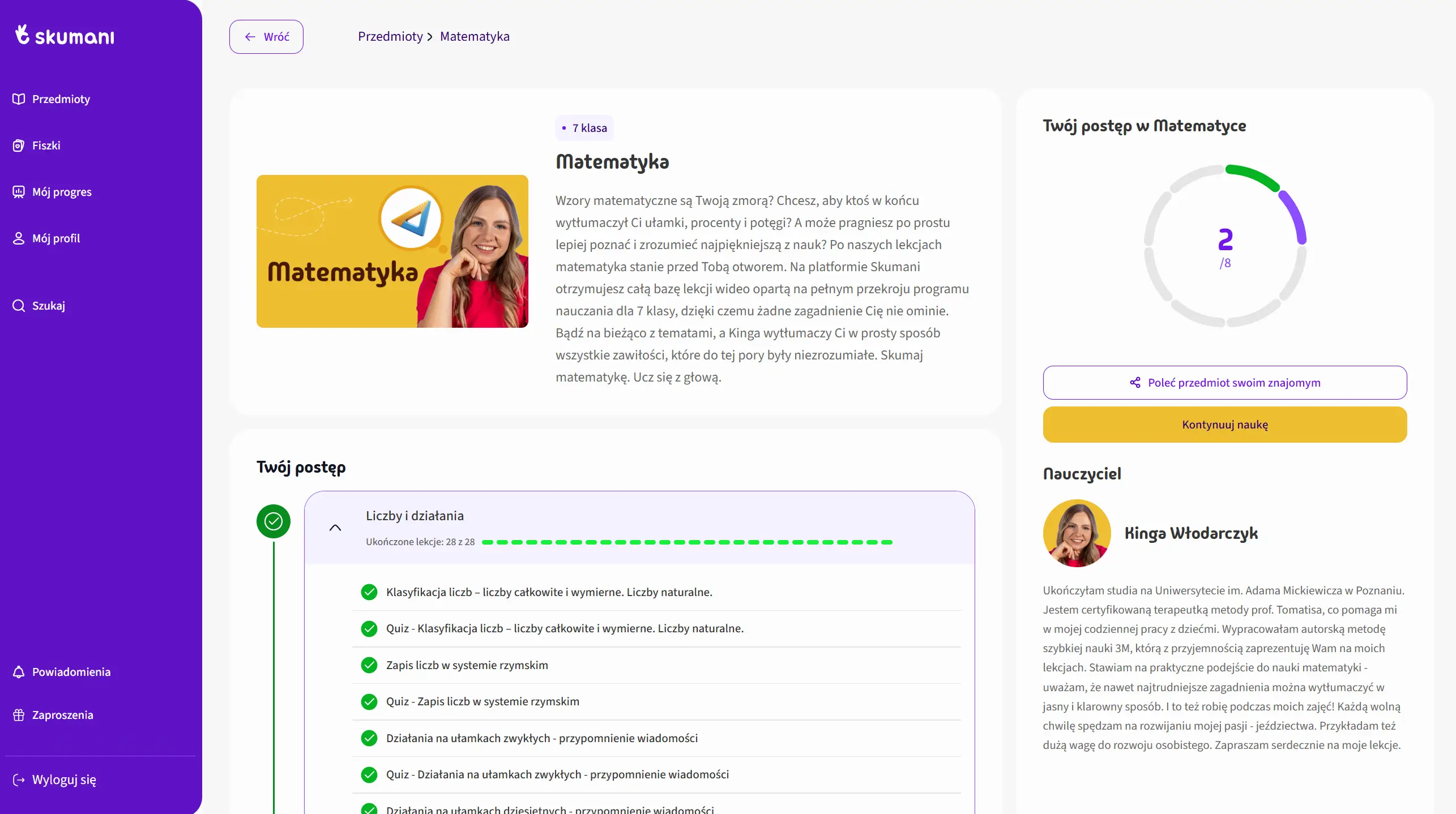
Skumani is an EdTech platform built for Żak, one of Poland's leading education providers, that helps primary school students prepare for the eighth-grade exam. It combines video lessons, interactive quizzes, AI "teachers" for each subject, gamification and paid access for parents via subscription or BLIK. Selleo built not only the student, parent and admin applications but also the whole cloud foundation they run on. We designed the platform on Amazon Web Services and described every piece of it as code in Terraform, from the network to the email domain. The result is one repeatable blueprint that powers three identical environments: development, staging and production.
One Terraform blueprint
- 1DevelopmentWhere new features are built
- 2StagingAn exact copy of production for testing
- 3ProductionWhat students and parents use every day
Challenge
Fast to market, safe for children's data
The MVP had to reach students in just 4 months, so the infrastructure could not become the bottleneck. At the same time, the platform handles children's data and parents' payments, which called for EU data residency, encryption and strict network isolation from day one. AI features added their own load: quiz generation and grading run as long background jobs that must never slow down the student experience. Search had to work instantly across hundreds of lessons, and transactional emails had to land in inboxes, not spam. On top of that, the client's team needed to manage API keys and integrations themselves, without waiting for developers.
Requirements from day one
- MVP in 4 months
- EU data residency and encryption
- Long AI jobs in the background
- Instant search across lessons
- Emails that land in the inbox
- API keys managed by the client
Outcome
200+ releases and counting
Skumani went live on AWS in March 2025 and has shipped more than 200 production releases since, roughly two every week. Each release builds the app and migrates the database, while at least one healthy copy of every service keeps serving students. The same Terraform blueprint runs development, staging and production, so new features are tested on an exact copy of the live system before parents and students ever see them. Payments, AI tutoring, social logins and newsletter integrations were added over time with no changes to the core architecture. The client owns a documented, reproducible platform instead of a hand-built server that only one person understands.
Project scope
How we built it on AWS
The whole platform runs in the AWS Frankfurt region (eu-central-1), keeping student and parent data inside the EU.
Containers that stay online
The API (NestJS) and the web app (Remix) run as Docker containers on Amazon ECS, on a cluster of EC2 instances spread across two availability zones. In production, each service runs two copies, so one can fail or be updated while the other keeps serving. An Application Load Balancer handles HTTPS and routes traffic to the right service by path.
A database that is hard to lose
All learning data lives in Amazon RDS for PostgreSQL on a Graviton-based instance, with a standby copy in a second availability zone. Storage is encrypted, and point-in-time recovery can restore the database to a precise moment in time. The database sits in isolated subnets with no internet access and is protected against accidental deletion.
Instant search and smooth AI workloads
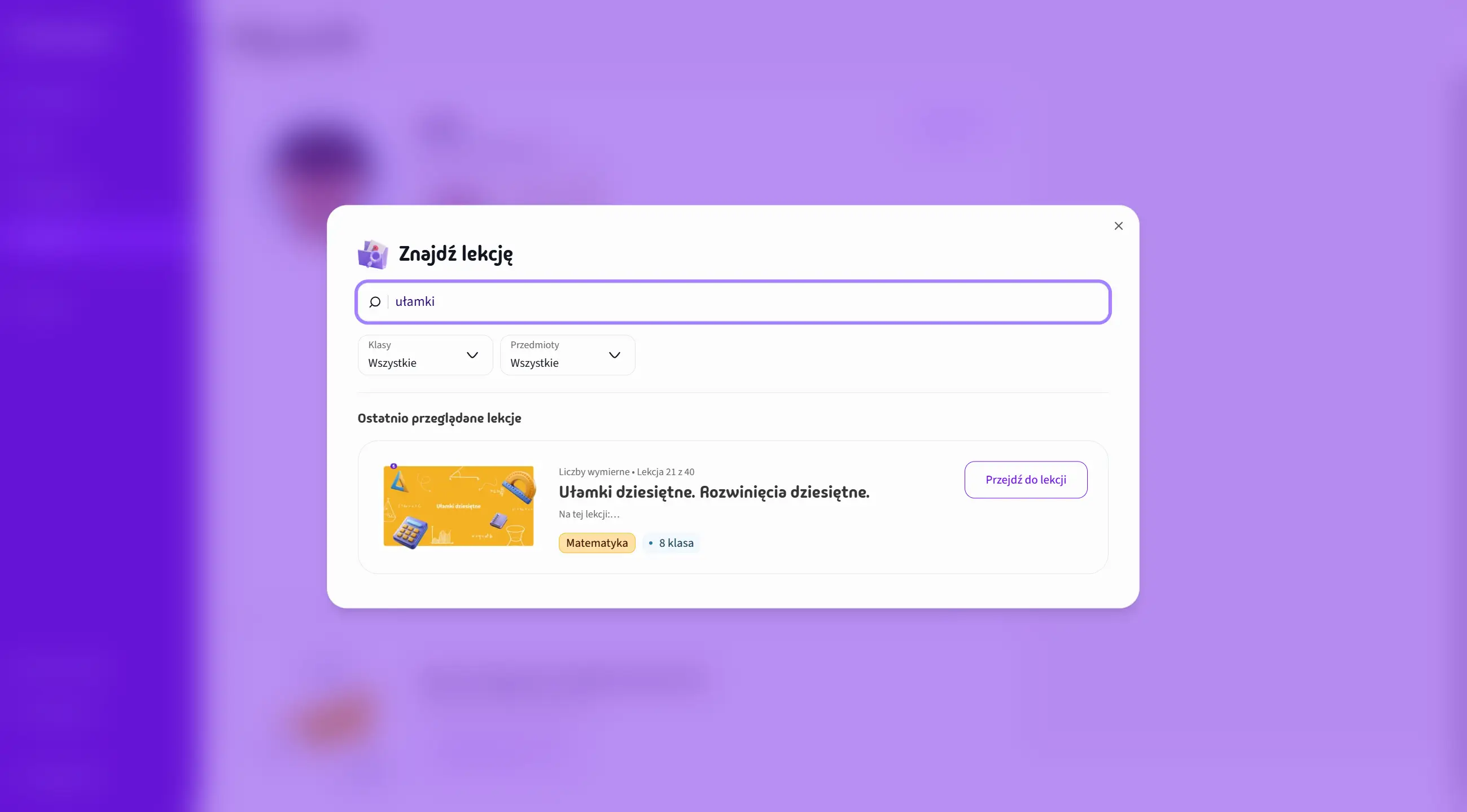
Amazon OpenSearch Service powers search-as-you-type across lessons: students get results as they type, even without Polish diacritics. Amazon ElastiCache for Redis runs the background queues for AI quiz generation, AI answer grading, exam timers and tutoring notes, so heavy AI work never slows down the app. Both services live in a private subnet, encrypted and unreachable from the internet.
Fast content and emails that arrive
Course files are stored in a private Amazon S3 bucket that only the application can access. Public assets are served through the Amazon CloudFront CDN, over HTTPS and compressed. Amazon SES sends transactional emails from the platform's own domain, with DKIM, SPF and DMARC records managed in Route 53 so messages land in the inbox, and certificates are issued and renewed automatically by AWS Certificate Manager.
Security and self-service configuration
Every secret is stored encrypted in AWS Systems Manager Parameter Store, split into two tiers. System secrets such as database credentials and signing keys are generated by Terraform. Integration keys such as OpenAI, Google login or payments are editable by the client's team in the AWS console, and Terraform never overwrites them. Each component gets only the permissions it needs, for example the deployment pipeline can push only to its own image repositories and update only its own services.
Push-button releases
A release starts with a single Git tag. GitHub Actions builds the Docker images, pushes them to Amazon ECR (scanned for vulnerabilities on every push), runs database migrations as a one-off ECS task and rolls out the new version only after health checks pass. Development and staging deploy the same way, from the same Terraform modules, so what is tested is exactly what goes live.
Technologies
The AWS stack behind Skumani
AWS services
Supporting tools
User Architecture
A System Designed for Everyone
When designing the platform, we went far beyond the standard administrator-user division. Our goal was to create a flexible ecosystem that supports both the commercial growth of the product and the client’s core mission: combating educational exclusion. The system accommodates diverse access paths and roles, precisely addressing the needs of every user segment.

Student
The Heart of the Experience
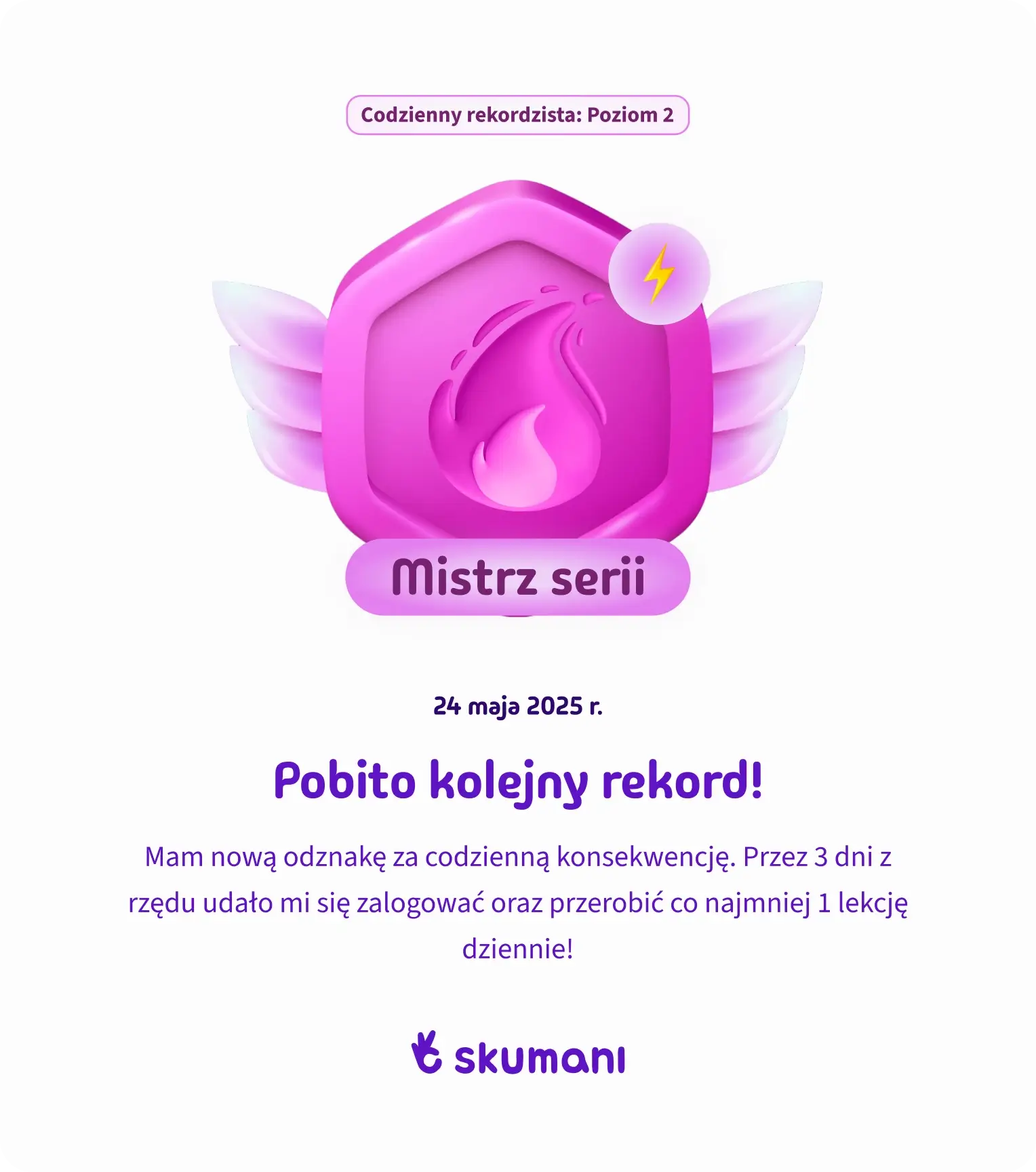
The primary user and the core of the entire platform. The engagement system, interactive tests, and AI Teacher support were all designed with the student in mind. Whether accessing the platform commercially or through sponsored support, students enjoy full functionality: watching video materials, completing exercises, earning experience points (XP) and badges, and, most importantly, genuinely improving their skills.

Guardian / Parent
Partner and Decision-Maker
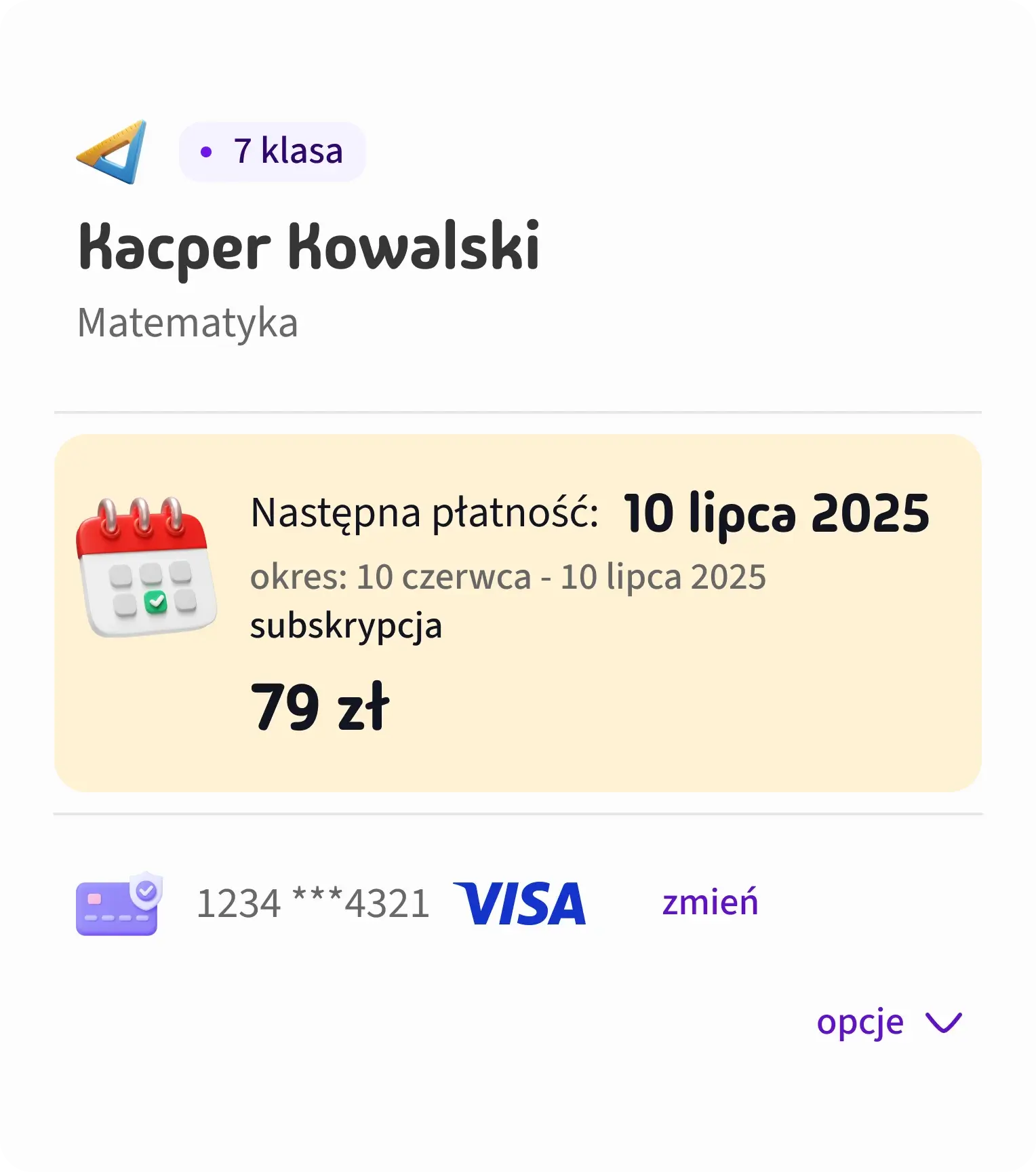
The parent is a key partner in the learning process and the primary purchasing decision-maker. We created a simple, secure pathway that allows them to manage their child’s access to the platform and support their progress. They can choose the most convenient payment model—either a flexible subscription ensuring continuous learning or a one-time purchase (e.g., via BLIK). Everything is accessible through a single, intuitive guardian panel.

Administrator / Editor
The Operational Brain of the Platform
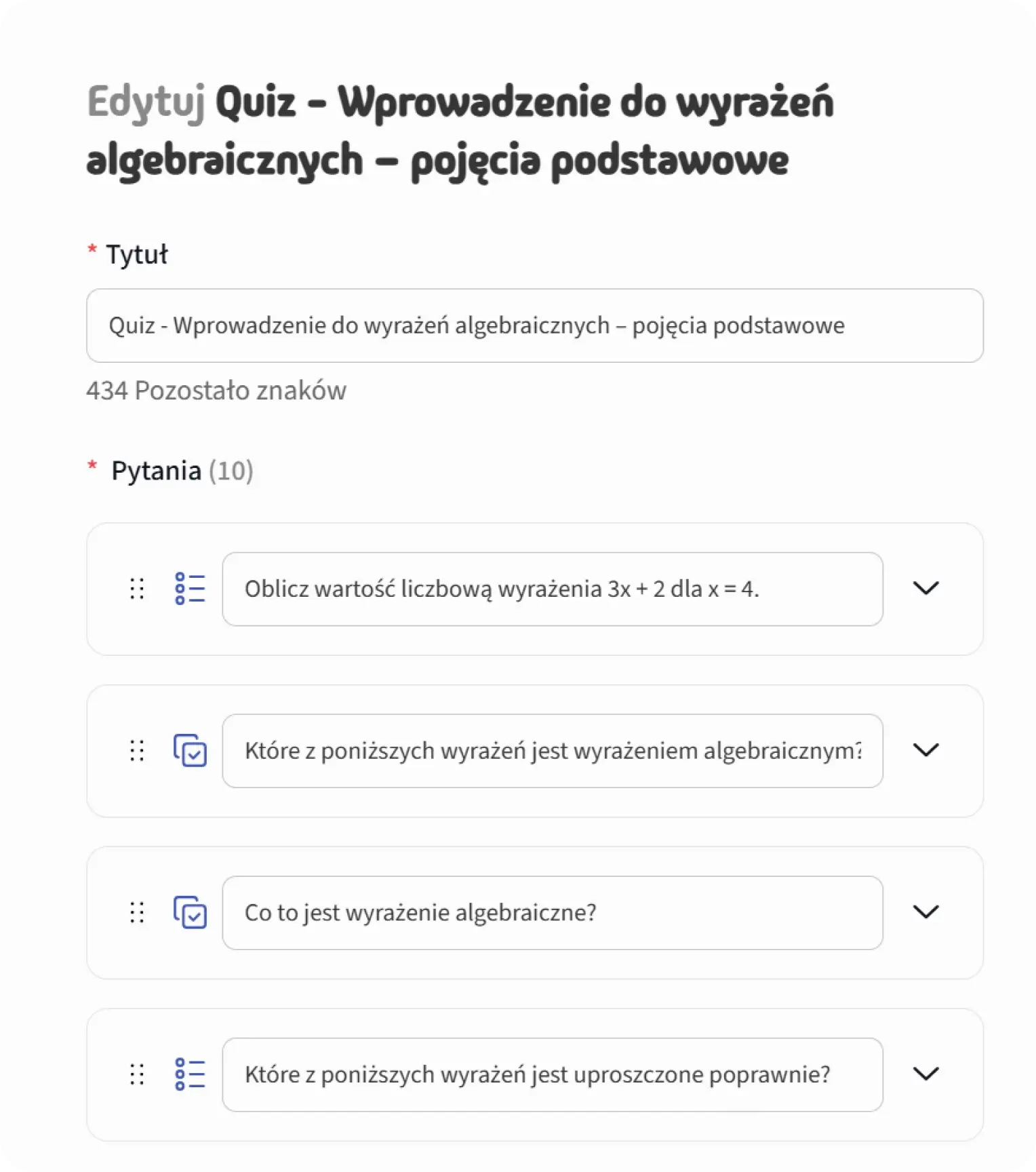
A powerful role designed for the client’s team. Thanks to the advanced CMS panel we built, Administrators and Editors have full control and autonomy over content management. They can independently create and publish entire courses, add video lessons with “Moments,” configure complex quizzes and tests (including those with LaTeX formulas), and manage the knowledge base for AI Teachers.

Non-Governmental Organization / Foundation
Mission Enabler
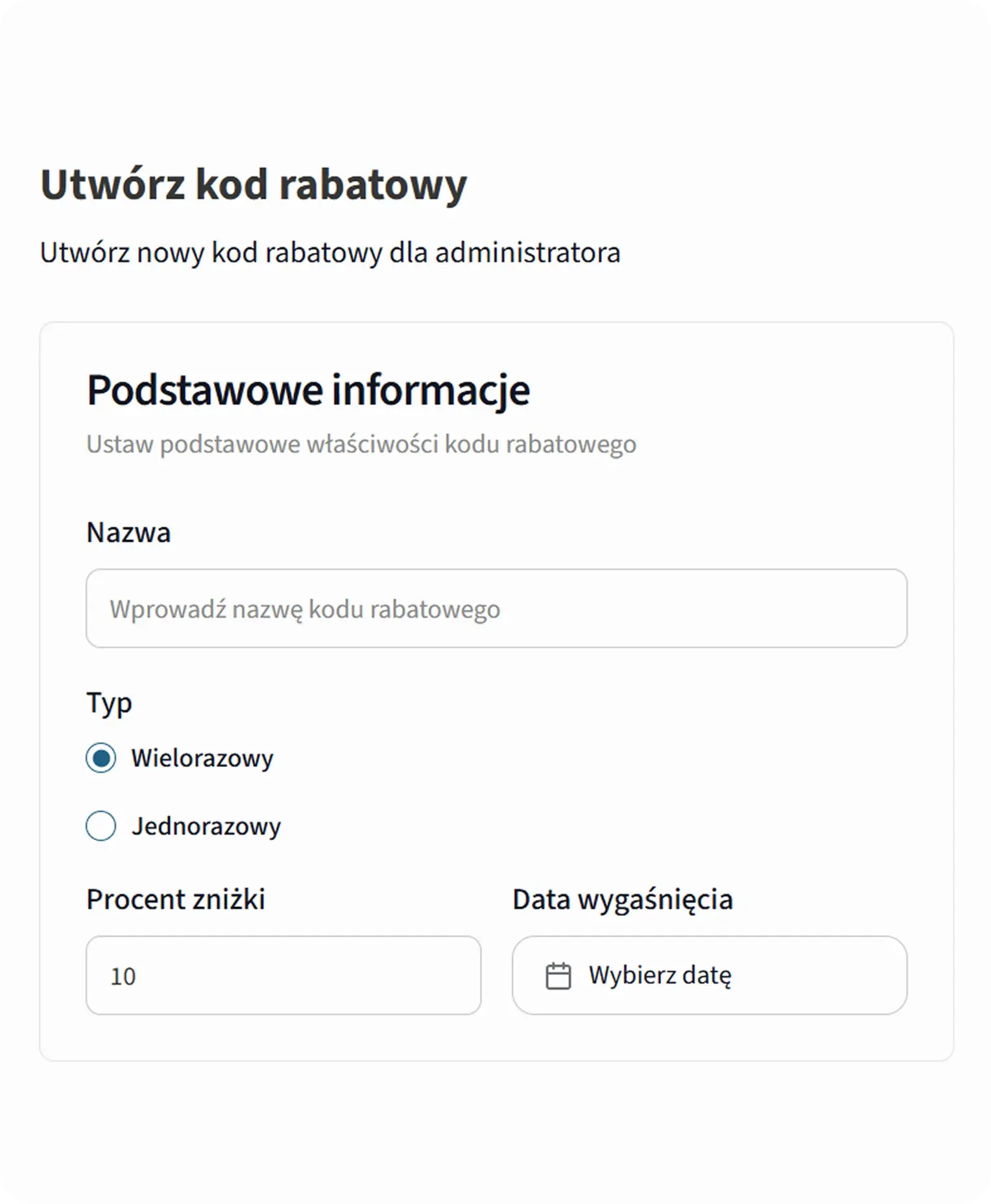
Technology in the service of equalizing opportunities. To support the fight against educational exclusion, we created a dedicated module for the client’s partners. System administrators have access to a special panel that allows them to generate and distribute unique access codes for organizations and foundations. This enables them to provide free platform-based learning to their beneficiaries in a simple, measurable way.
Check out the next project
